Choosing Between Rebuilt and Remanufactured Engines: What’s the Difference?
Choosing Between Rebuilt and Remanufactured Engines: What’s the Difference?
Blog Article
As fundamental components in many machines, gearboxes are particularly significant in automotive applications. They facilitate power transfer from the engine to the wheels, ensuring efficient operation and performance. By gaining insights into gearboxes, vehicle owners can better navigate decisions regarding maintenance, repairs, and part replacements. In situations where engine issues arise, pinpointing the right gearbox becomes essential. This importance grows for those searching for solutions that meet particular criteria. Evaluating local options can lead to discovering the most suitable choices for your vehicle their website. The landscape of gearboxes is diverse, characterized by their specific functions, applications, and the vehicles they are designed for. Key varieties include manual, automatic, and semi-automatic gearboxes. Manual gearboxes empower drivers to manually select gears, delivering comprehensive control over the vehicle's operational characteristics. In contrast, automatic gearboxes seamlessly shift gears on their own, reacting to the vehicle's speed and the demands for power, thus simplifying the overall driving process. Another innovative option is the continuously variable transmission (CVT), which offers a virtually infinite array of gear ratios, leading to its popularity among hybrid and electric vehicle manufacturers. Developing an understanding of these gearbox types is vital for choosing one that aligns with your vehicle's specifications and your personal driving style, whether you are opting for a new model or a used one. A gearbox is made up of several critical components that collaborate to facilitate efficient power transmission. These parts include gears, shafts, bearings, and the protective housing. Gears are at the core of the gearbox's functionality, determining the manner in which power flows. Shafts are integral in connecting the gears to the engine and wheels, while bearings play a supportive role by ensuring smooth operation of the rotational components. Finally, the housing of the gearbox is crucial as it shields the internal parts from dirt and damage, thus promoting longevity and resilience. Choosing the right gearbox can significantly affect vehicle performance and efficiency. A mismatch in gearbox and engine can lead to problems like overheating, excessive wear, and power loss. Therefore, it’s essential to consider factors such as vehicle type, driving conditions, and your performance expectations before making a decision. If you’re unsure about the right gearbox for your car, consulting with professionals or visiting local rebuilt engine shops can provide you with valuable insights. They can help you assess compatibility and recommend suitable options within your budget and needs. There are numerous options available when seeking gearboxes. The internet hosts a variety of marketplaces, auto component suppliers, and niche websites dedicated to gearbox and engine transactions, offering a range of products. Local businesses typically provide an assortment of both new and second-hand options, with prices and conditions that can vary significantly. Additionally, purchasing remanufactured gearboxes is an invaluable way to obtain quality products at a lower cost. If you're interested in finding used engines for sale nearby, searching through classified listings or connecting with dealerships that might trade in vehicles can yield favorable results. This can be an advantageous opportunity to secure a gearbox that meets your needs, whether you intend to upgrade your current vehicle or execute critical repairs. For enthusiasts interested in a broad spectrum of choices, a gearbox can take on many forms, designed to meet diverse mechanical requirements, thus revealing a rich tapestry of mechanical engineering. Prioritize quality over price when selecting a gearbox; investing in a reliable unit can save money in the long run.Steps to Selecting the Right Gearbox
Understanding Gearboxes: Types and Functions
Key Components of a Gearbox
The Importance of Choosing the Right Gearbox
Where to Find Gearboxes: Exploring Your Options
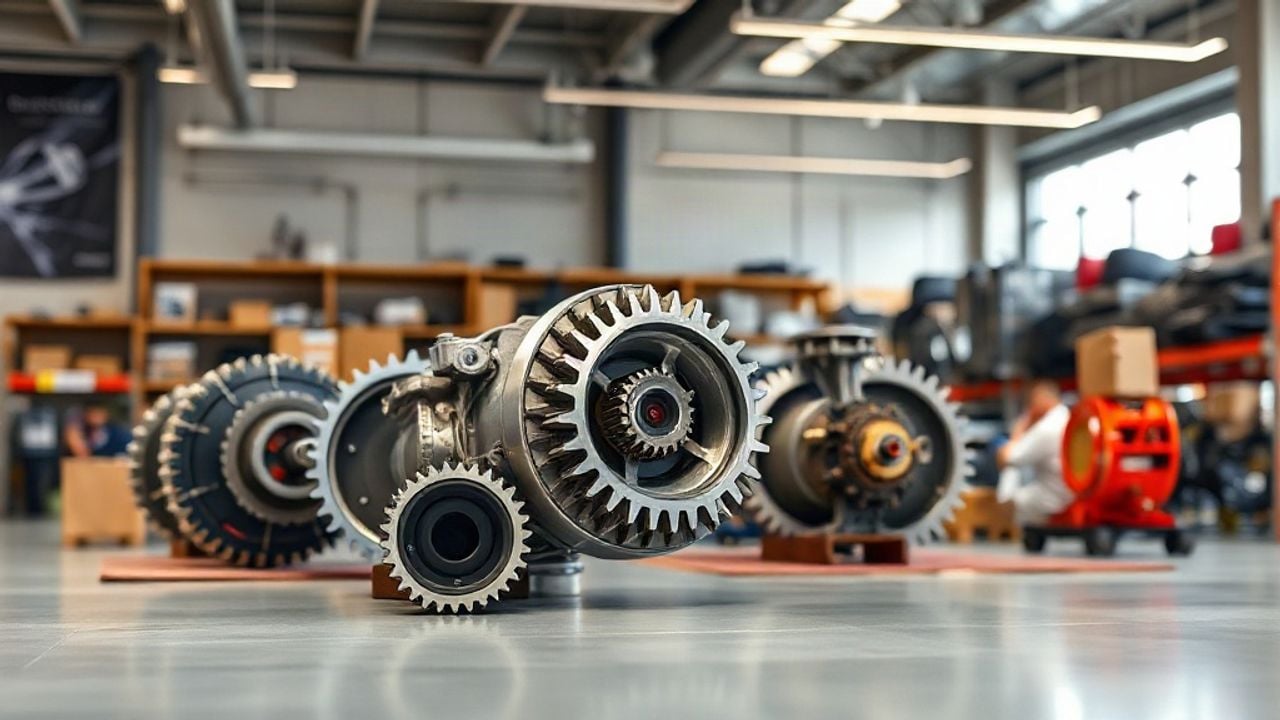 second hand gearboxesengines for sale near me
Helpful Tips for Gearbox Shopping
Gearboxes
Frequently asked questions
What is Gearboxes?
A gearbox is a mechanism that transmits power from an engine to the wheels by using various gears to optimize speed and torque.
How do I choose a Gearboxes provider?
Look for providers with a good reputation, who offer warranty options, and have a range of products to suit various vehicle needs.
How much does Gearboxes cost?
Prices for gearboxes can vary considerably based on type, condition, and source, ranging from a few hundred dollars for used options to over a thousand for new models.
Comprehending the intricacies of gearboxes plays a crucial role in vehicle upkeep and optimizing performance. Being familiar with the diverse options available, whether purchasing new or pre-owned, empowers you to make decisions that fit your specific requirements.
Selecting the appropriate gearbox not only boosts your vehicle's efficiency but can also result in significant cost savings on future repairs. Take the time to investigate various choices and ensure your purchase is well-informed.
In the process of assessing gearboxes, prioritize tangible outcomes, transparent reporting, and the alignment of methods with your market dynamics and timelines. Be cautious of vague commitments lacking a measurement plan, as they can indicate potential issues.
Inquire about how progress will be measured, what services are included versus optional, and how adjustments are made when traffic or rankings experience stagnation. Having a documented agreement before any payments are made can safeguard the interests of both parties.